




Drukuje3D – A Custom 3D Printing Service From Poland, Explained Step by Step
Turning a digital model into a physical object used to require expensive tooling, long lead times and minimum order quantities that made small projects pointless. Today, additive manufacturing has changed that equation completely. Drukuje3D is a compact 3D printing workshop based in Poland that focuses on exactly the kind of work larger factories tend to ignore: one-off parts, personalised items, prototypes and short runs of a few dozen pieces. This article explains how the Drukuje3D service works, what you can order and how to get the best result from your first print.
The idea behind Drukuje3D is simple. You send a file or even just a sketch, the workshop prepares a quote, and once you approve it, your part is printed, checked and shipped. There is no need to own a printer, learn slicing software or experiment with filament settings yourself.
What Drukuje3D prints
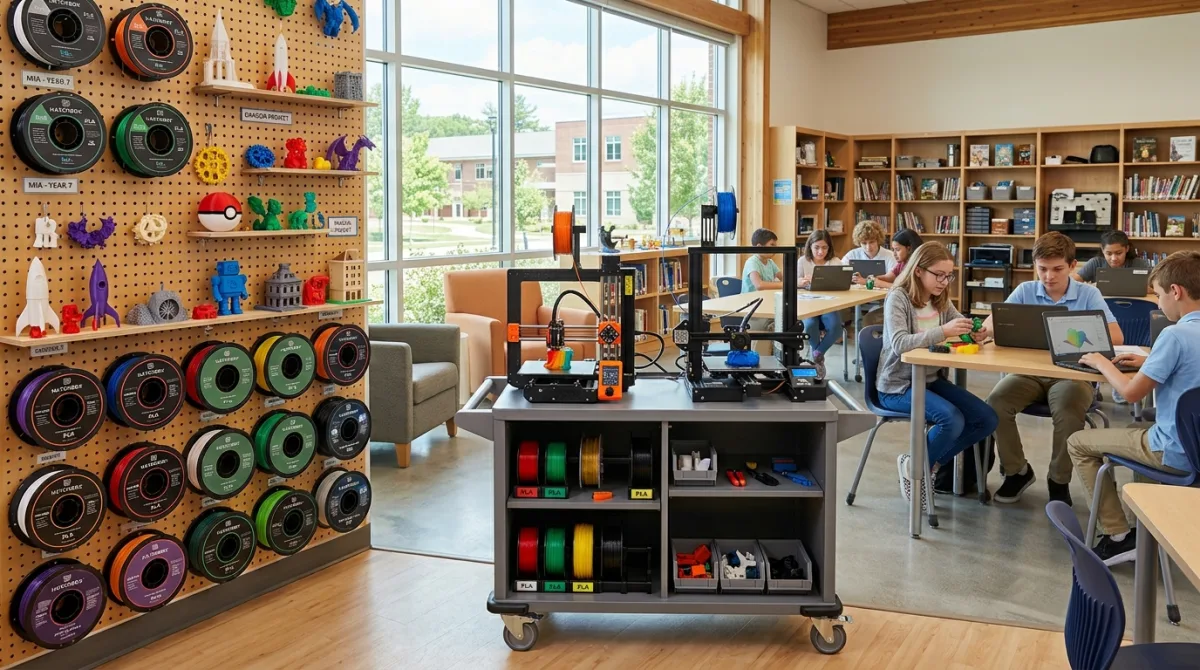
The workshop uses FDM technology, which builds objects layer by layer from melted thermoplastic filament. It is a proven, cost-effective method that suits a very wide range of everyday applications.
- replacement parts for household appliances, furniture and equipment,
- functional prototypes and test fits for new products,
- electronics enclosures, brackets, adapters and mounts,
- personalised gifts, cake toppers, trophies and lithophanes,
- home decor such as vases, lamp shades, figures and wall reliefs,
- short production runs, promotional items and displays.
How ordering works
Ordering from Drukuje3D follows four clear steps. First, you send your model or description together with the preferred material, colour, quantity, deadline and delivery country. Second, you receive a free, non-binding quote, usually on the same working day. Third, after you approve the quote, the part goes into production, which typically takes a few working days. Finally, every piece is inspected, carefully packed and shipped. All the details of the offer are described at https://drukuje3d.com/en/3d-printing-service/.
Files and formats
Drukuje3D accepts the most common 3D formats: STL, STEP, 3MF and OBJ. For mechanical parts STEP is the best choice, because it preserves exact geometry. 3MF works well when you have already prepared a slicer project. If you only have an idea, a photo or a broken original, the workshop can also help with modelling, which is quoted separately.
Materials to choose from
The standard materials are PLA, PETG, ABS and TPU. PLA is ideal for decorative indoor items with fine detail. PETG handles outdoor conditions and contact with water better. ABS tolerates higher temperatures and is easy to sand and paint. TPU is a flexible material for gaskets, grips and protective covers. If you are not sure which one fits your project, Drukuje3D will suggest the right option in the quote.
Size and precision
A single printed piece can measure up to about 25 by 25 centimetres. Larger models are split into segments that are joined after printing. Typical dimensional tolerance for FDM is in the range of a few tenths of a millimetre, which is more than enough for most functional and decorative parts.
Who uses the service
Drukuje3D works with private customers, hobbyists, engineers, designers, small businesses and event organisers. Some need a single broken clip replaced, others need twenty identical housings for a product pilot. The small-workshop model means each order gets individual attention.
Summary
Drukuje3D makes 3D printing accessible without investing in equipment or know-how. Send a file or an idea, get a quick quote, and receive a finished, inspected part. For one-off items and short runs, it is one of the most practical ways to bring a design to life.